
GLF strengthens warehouse flows through a new KTP project
Additional warehouse space creates new opportunities. To make the most of them, clear material flows, a well-planned warehouse structure and a sound basis for decision-making are also essential. GLF is therefore launching a six-month KTP project focused on warehouse optimisation and internal logistics in Genarp.
Learn more about our two production units in Genarp.
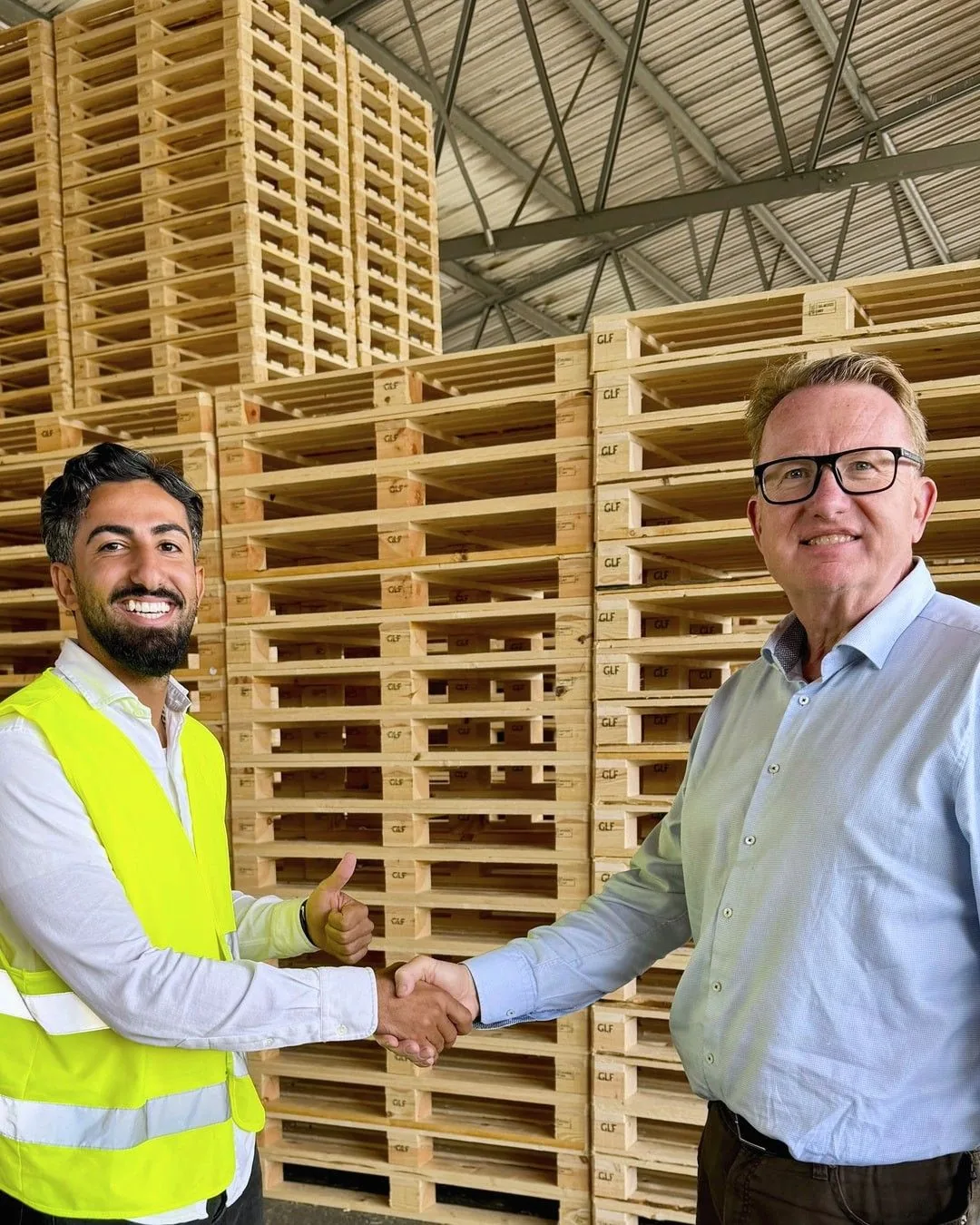
In an earlier article, we described the opportunity presented by a planned warehouse expansion at our Genarp site. Additional warehouse space is an important part of our continued development, but more square metres do not automatically create more efficient flows.
How raw materials, finished products and forklift trucks move through the operation is just as important. Alongside planning the future warehouse space, we are therefore strengthening the planning and processes that support it.
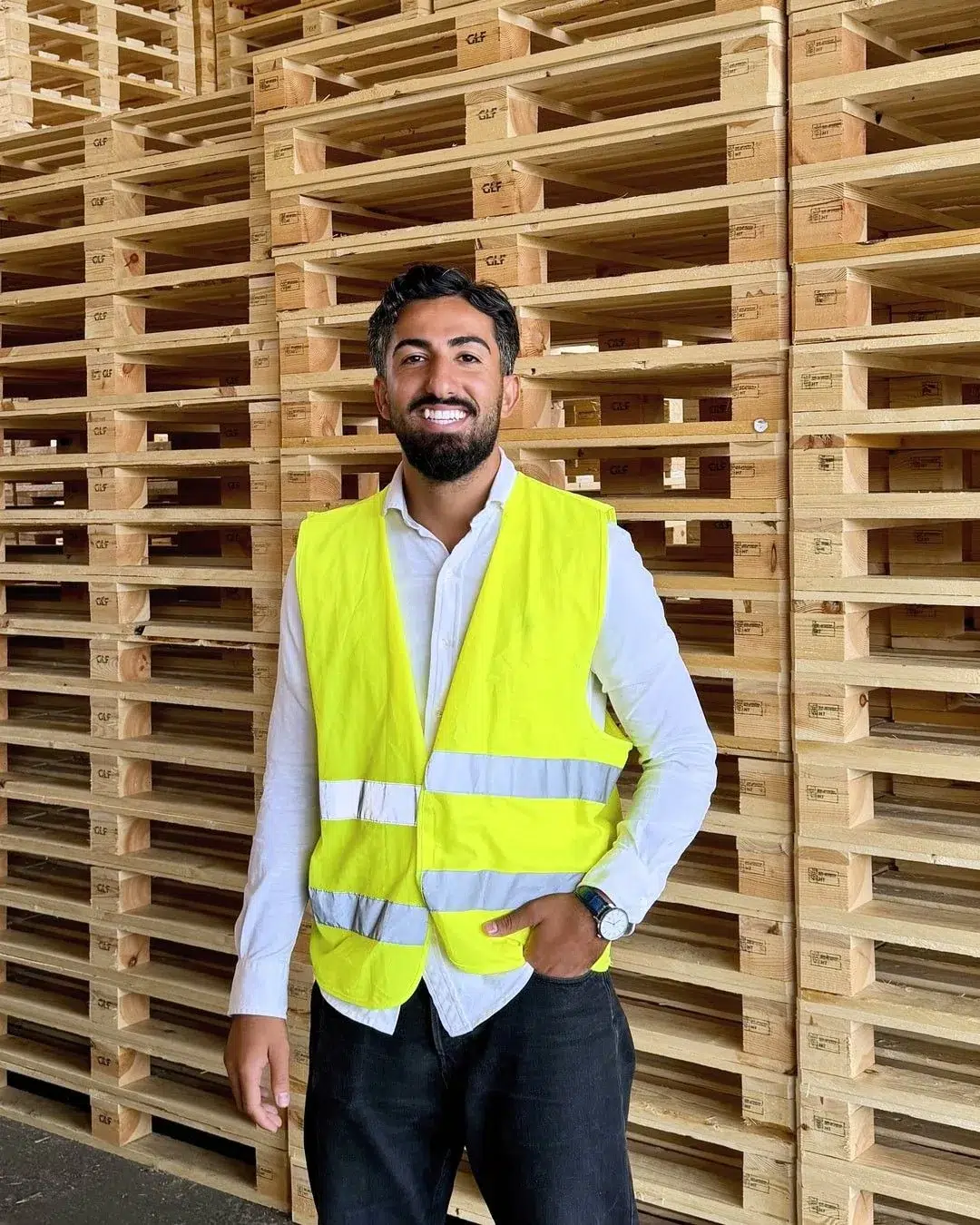
Taha Alnabeah leads the work
Over the next six months, Taha Alnabeah will work with us on warehouse optimisation as part of a KTP project.
Taha combines knowledge gained from the Master of Science in Industrial Engineering and Management programme at Örebro University with several years of practical warehouse experience. This combination of an analytical perspective and experience of day-to-day warehouse operations is well suited to a project in which theory will be turned into practical improvements.
His assignment is both to understand how our flows operate today and to provide a stronger basis for decisions about how the operation can develop.
The entire warehouse chain will be analysed
The project covers the entire warehouse chain – from raw materials storage and internal material movements to finished goods storage and final dispatch.
The work will examine, among other things, how our existing warehouse areas are used, how forklift trucks move between different parts of the operation, and where double handling or bottlenecks arise.
By tracing the entire flow, we can build a clearer picture of which changes could have the greatest impact. This may include where materials are stored, how different warehouse areas are structured and how unnecessary movements can be reduced.
This is not about making changes for their own sake. First, we need to understand the whole system and identify which measures can genuinely simplify day-to-day work.
A stronger basis for future decisions
The aim of the project is to provide a clearer basis for decisions about the continued development of our warehouse and material flows.
A more considered warehouse structure can make it easier for our employees to locate, handle and move materials through the operation. Smoother internal flows can also provide greater flexibility and create better conditions for using both current and future warehouse space efficiently.
In the longer term, the work can contribute to more efficient use of resources and provide better conditions for reliable deliveries to our customers.
The project is also aligned with our work on the environment, quality and more efficient use of resources.
When industry and academia come together
KTP stands for Knowledge Transfer Partnership, a model for collaboration that connects academic expertise with specific development needs in industry.
The project is being carried out together with IUC Syd and Kristianstad University, with support from Per Siljeklint and NiVander Consulting. The initiative forms part of UTSICT – Young Talent for Skåne Industry and Circular Growth.
UTSICT is co-funded by the European Union through the European Regional Development Fund (ERDF), as well as by Region Skåne.
For GLF, the collaboration gives us the opportunity to view the operation with fresh eyes, while knowledge is developed in close connection with the practical realities of our production and warehouse operations.
The next step in GLF’s development
A future warehouse expansion will give us more space. The KTP project will help us understand how that space and our existing resources can be used to best effect.
By combining our employees’ experience with new perspectives and structured analysis, we aim to create a solid foundation for GLF’s continued development.
A warm welcome to GLF and Genarp, Taha. We look forward to following the work over the next six months.

