
New bird-proofing keeps pallets and wooden packaging cleaner
Quality is not determined solely at the point when a pallet or item of wooden packaging is made. How products are stored, handled and protected until delivery is equally important. That is why we have installed new bird-proofing at our Genarp warehouse, reducing the risk of contamination affecting products stored beneath the canopy.
Learn more about our two production units in Genarp.
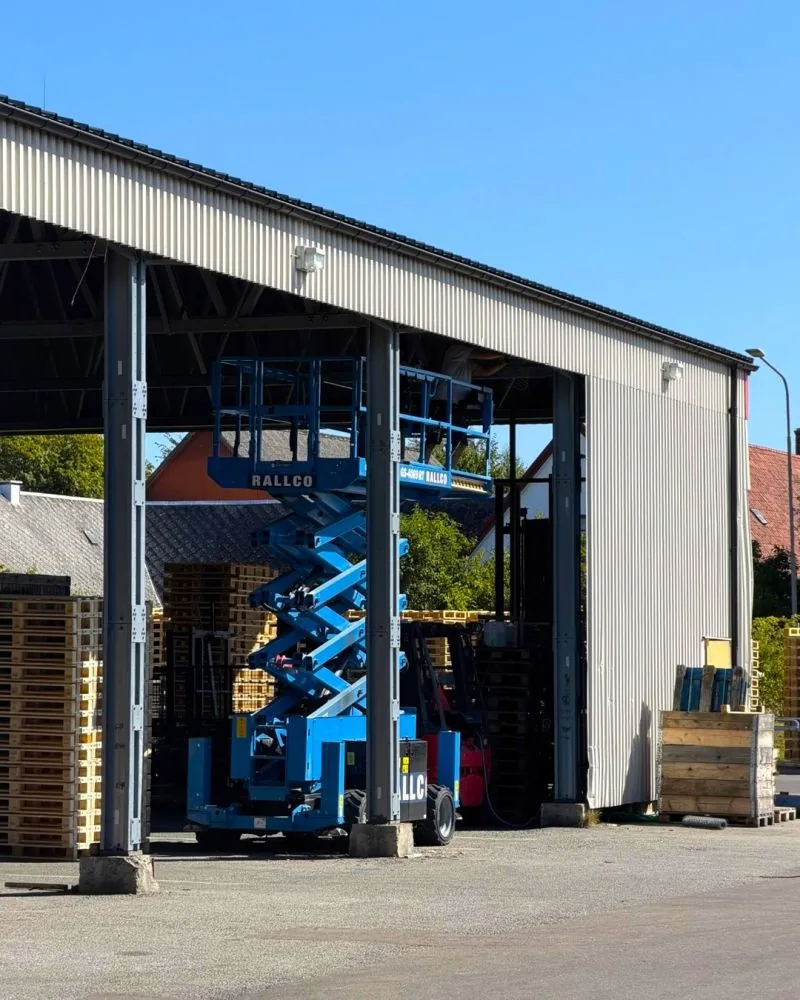
Preventing the problem before it arises
The openings beneath the canopy previously allowed birds to enter the sheltered spaces above the storage area. There they could seek shelter and build nests, creating a risk of bird droppings contaminating the pallets and wooden packaging stored below.
To prevent this, we have fitted fine-mesh wire screens across the openings. The screens create a physical barrier that reduces the risk of birds entering and establishing new nests above the warehouse.
It is a practical measure with a clear purpose: our pallets and wooden packaging should remain clean and well cared for until they leave our facility.
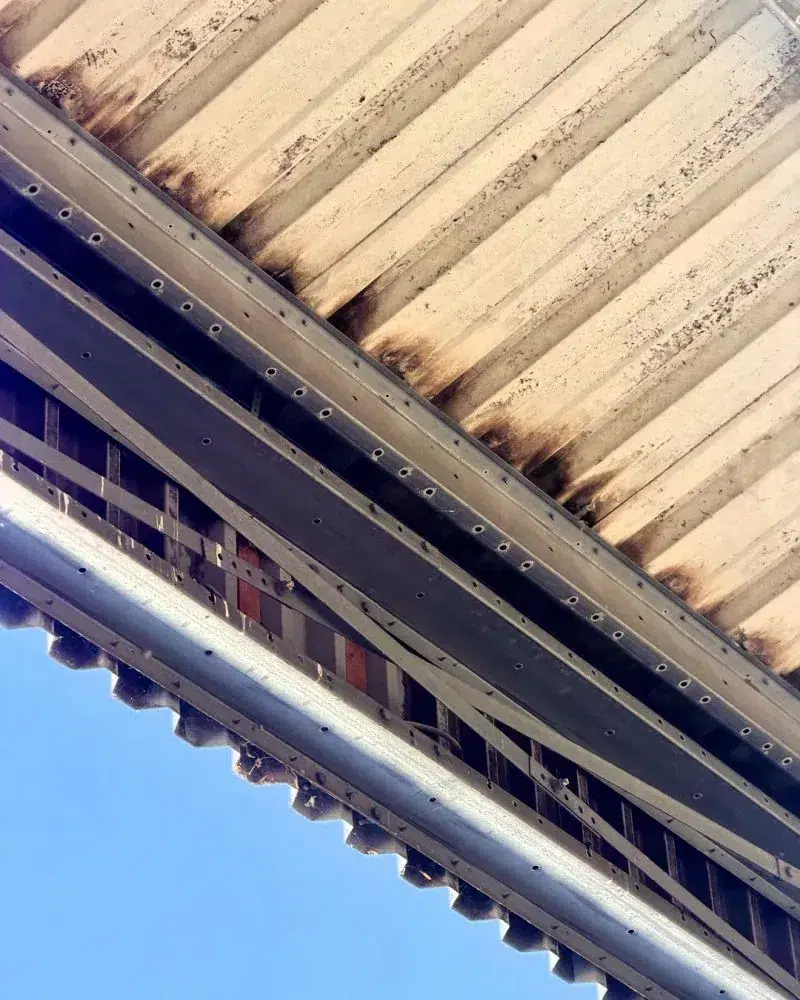
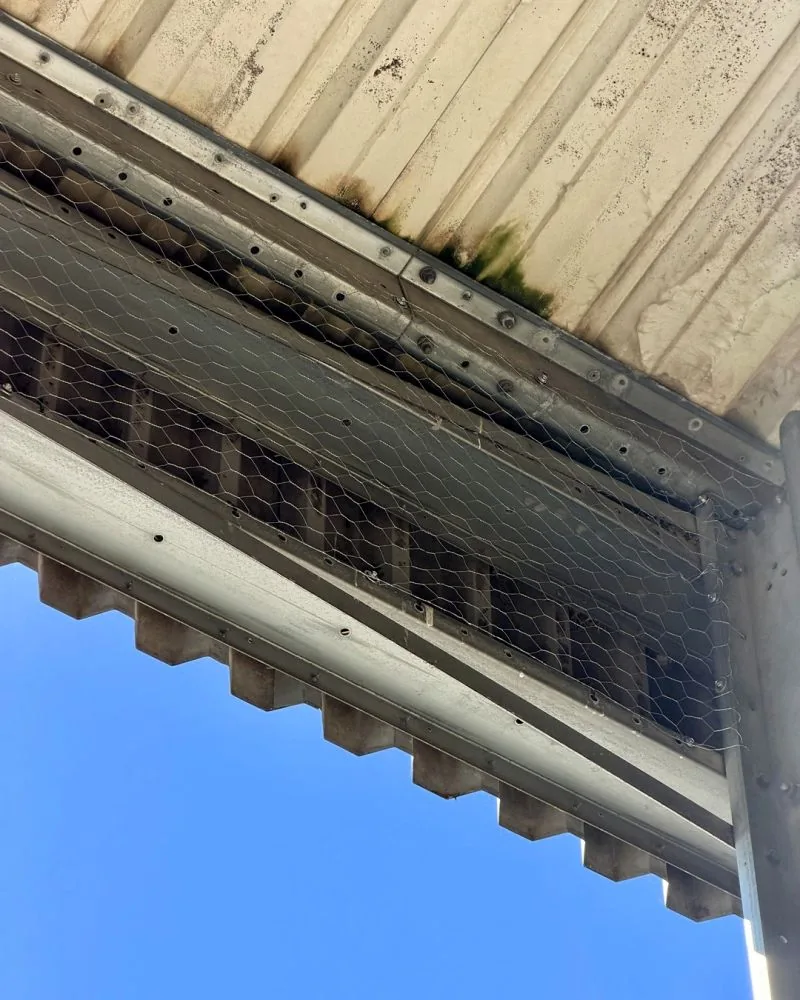
Especially important in supply chains with strict cleanliness requirements
Customers expect load carriers and packaging to arrive in good condition. In some industries, the requirements for cleanliness and controlled handling are particularly exacting.
This includes businesses in the food and drink industry, as well as manufacturers that supply packaging or components to these operations. In the plastics industry and other manufacturing involving sensitive products, contamination on a pallet may also result in additional inspection, cleaning or handling when goods are received.
A wooden pallet is usually an outer load carrier rather than a material that comes into direct contact with food. Even so, its condition can matter in operations where clean incoming goods and orderly warehouse and production environments form part of the quality process.
The Swedish Food Agency’s guidance on pest control treats birds as pests that can spread infection or render food unfit for consumption. For food premises, the guidance states, among other things, that premises should be designed and doors, windows and other openings managed in a way that prevents pests from entering.
For customers in sectors such as building materials and agricultural technology, hygiene requirements are generally less extensive. Even there, clean pallets and packaging contribute to smoother goods receipt, less additional handling and a better overall impression on delivery.
Quality at every stage
Our quality work covers more than a product’s design, materials and load-bearing capacity. It also encompasses storage conditions, internal handling and the way products are protected until dispatch.
The new bird-proofing is therefore a tangible part of our ongoing environmental and quality work. By preventing contamination, we also reduce the need for additional cleaning and handling in the warehouse.
Major investments and new production solutions often attract the most attention, but effective quality work also consists of smaller improvements to day-to-day operations. When we identify a risk, we try to find a practical solution before it develops into a recurring problem.
Different industries have different requirements
The requirements placed on a pallet or item of packaging depend on what is being transported, how the product is handled and the environment in which it will be received.
For some customers, load capacity and dimensions are the most important factors. For others, cleanliness, traceability, material selection or the ability to avoid unnecessary touchpoints in the logistics chain may be critical.
When a standard product is not suitable, we can develop bespoke solutions for transport, storage and internal handling based on the customer’s goods and requirements.

