
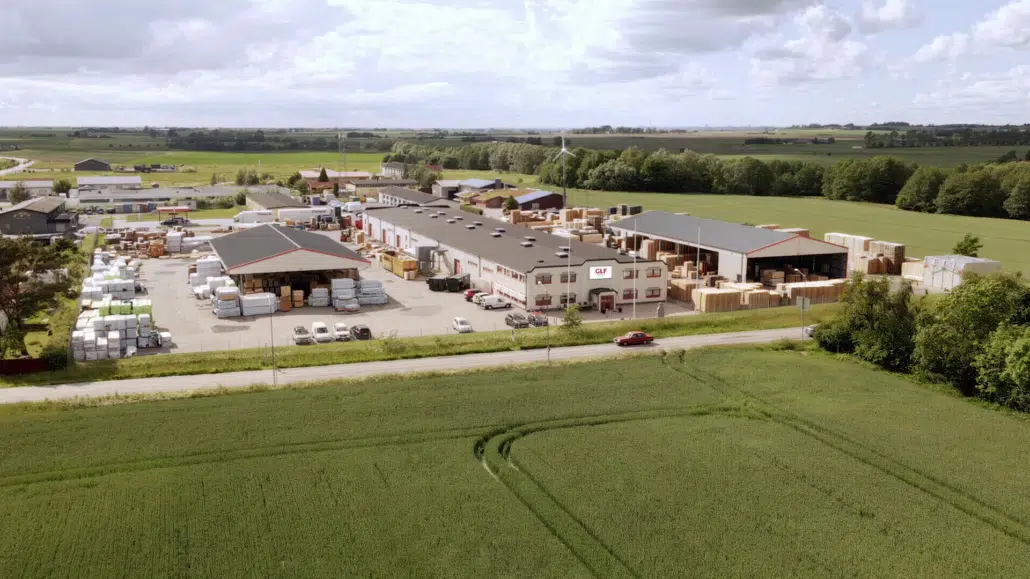
ISO 45001 at GLF Genarp – systematic health and safety management
ISO 45001 is an international standard for occupational health and safety management systems. It sets out how health and safety management should be organised, monitored and improved.
A published LRQA certificate for GLF Genarp AB lists the address Kontoristgatan 4 in Genarp. For those assessing suppliers, the certificate is one of several documents to review.
What does ISO 45001 mean?
An occupational health and safety management system provides a structure for preventing work-related ill health and injuries. It covers responsibilities, objectives and working practices. ISO 45001 sets requirements for areas including leadership, worker participation, risk assessment and continual improvement. The work follows four recurring steps: plan, do, check and act. Read more in ISO’s information on ISO 45001.
In Sweden, systematic work environment management, known as SAM, means that employers regularly examine the working environment, assess risks, take action and follow up the results. ISO 45001 can support this structure. Employers’ obligations apply even without certification. The Swedish Work Environment Authority explains the principles of systematic work environment management.
At the time of the check on 12 October 2026, the current published edition was ISO 45001:2018, with the ISO 45001:2018/Amd 1:2024 amendment addressing climate change. ISO/DIS 45001 was then a draft of the next edition and had not replaced the published standard. The certificate for GLF Genarp AB specifies ISO 45001:2018.
What does GLF Genarp AB’s certificate cover?
 View the original
 Occupational health and safety management system
ISO 45001:2018
- Certificate number
- 10671577
- Company
- GLF Genarp AB
- Certification body
- LRQA Limited
- Address
- Kontoristgatan 4, 247 70 Genarp, Sweden
- Approval number
- 00036092
- Document date
- 7 February 2025
- Period stated on the certificate
- 7 February 2025–6 February 2028
The document does not show a separate revision number.
Scope – original Swedish wording
”Produktion av pallar och träemballage samt handel av nya och begagnade träprodukter.”
English translation of the scope
“Manufacture of pallets and wooden packaging, and trade in new and used wood products.”
Verification status The PDF was reviewed on 12 October 2026. Current status with LRQA has not been independently confirmed.
GLF Genarp AB operates two production units: Kontoristgatan 4 and Kamrergatan 10. Read more about production in Genarp. The certificate lists only Kontoristgatan 4. The published PDF is therefore insufficient to establish whether Kamrergatan 10 is covered. If your supply involves that unit, check the scope in a site schedule or request explicit confirmation from the certification body.
The document applies to GLF Genarp AB and the activities specified in its scope. It should not be used as evidence of certification for the entire GLF Group, GLF Träab or the Polish facilities. Separate documentation needs to be checked for these operations.
From risk assessment to improvement
The process starts by examining what could cause ill health or injury and assessing the seriousness of the risks. Risk assessment helps determine which actions to prioritise. For each action, it should be clear who is responsible, when it must be completed and what resources are needed. Actions that are not taken immediately need to be included in an action plan and followed up.
Workers’ experience is needed throughout the process. Those carrying out the work and their representatives need opportunities to raise concerns about risks, contribute to assessments and participate in improvements. Changes to working methods or equipment, for example, may require a new risk assessment. The Swedish Work Environment Authority explains the relationship between risk assessment, allocation of tasks and cooperation.
The next step is to check whether the actions are effective. The organisation also needs to monitor objectives, review the management system through internal audits and investigate incidents. This helps identify shortcomings and improve working practices. Linking risk assessment, responsibilities, participation and follow-up makes the process systematic.
In the wood industry, machinery, workplace transport, noise, wood dust and physical strain are typical risk areas to examine. Examples include moving machine parts, situations where forklift trucks and pedestrians share the same space, lifting and repetitive movements. Organisational and social factors also need to be considered.
These examples apply to the wood industry in general. They do not describe identified problems or verified measures at GLF. The risks, working practices and results that apply need to be established from documentation for the operation concerned.
Using the certificate in supplier assessment
For procurement and sustainability teams, ISO 45001 provides a common structure for questions about a supplier’s health and safety management. Check that the certificate covers the company making the supply, the relevant production site and the activities you are buying from. Then request further documentation based on your requirements and the operation concerned.
Your assessment needs to distinguish between three areas:
| Area | What you need to check |
|---|---|
| Certified management system | That the management system has been assessed against the standard’s requirements within the scope stated on the certificate. Check the document and the certificate’s current status. |
| Actual health and safety performance | Results in the operation, such as work-related ill health, accidents and improvements made. Request current information with a clearly defined reporting period, scope and definitions. |
| Safety of a particular pallet or packaging product | The product’s characteristics and suitability for its intended use. Check the relevant product specification and, where needed, test documentation. |
The ISO 45001 certificate contains no accident statistics for GLF. It does not prove that the operation is accident-free or that all risks have been eliminated. Nor does it replace product documentation covering matters such as design, load capacity or conditions of use.
How to check the certificate
You can find GLF’s published certificates on the Sustainability and quality – certificates page. Open the original certificate and check that the company name, address and scope match the supply you are assessing.
Record certificate number 10671577 and approval number 00036092 in your documentation for GLF Genarp AB. Also check the standard designation, dates and any annexes. The upload date on a website is not the certificate’s issue date.
Then check the current status with LRQA or in a relevant official register. The period stated in the document, ending on 6 February 2028, is not sufficient on its own to establish current status. Keep a record of where and when you made the check. If you cannot confirm the status, request confirmation from the certification body before accepting the certificate as current.
Need documentation for a procurement process or audit? Contact us and tell us which company and site the assessment concerns and what documentation you need.
Questions to ask the supplier
- What documentation shows that the relevant production site is covered by the certification?
- Can you provide an anonymised example of a current risk assessment, including agreed actions, assigned responsibilities and follow-up of the results?
- How can workers and their representatives influence risk assessments and improvements?
- Which health and safety objectives and results do you monitor? What reporting period, sites and staff categories does the information cover?
- When was the most recent external surveillance audit carried out? Are there any outstanding nonconformities with the standard’s requirements that affect the operation we buy from?
Checklist for your supplier documentation
- Save the complete latest certificate as a PDF, including any annexes.
- Check that the company, address and scope match the supply and production site concerned.
- Record the standard edition, certificate number, approval number and period stated in the document.
- Keep dated confirmation of the certificate’s current status from the certification body or an official register. Note any questions that remain unresolved.
- Request relevant documentation showing risk assessments, worker participation, objectives and the results that have been monitored.
- Check product requirements separately and decide when the supplier documentation should next be reviewed.
